
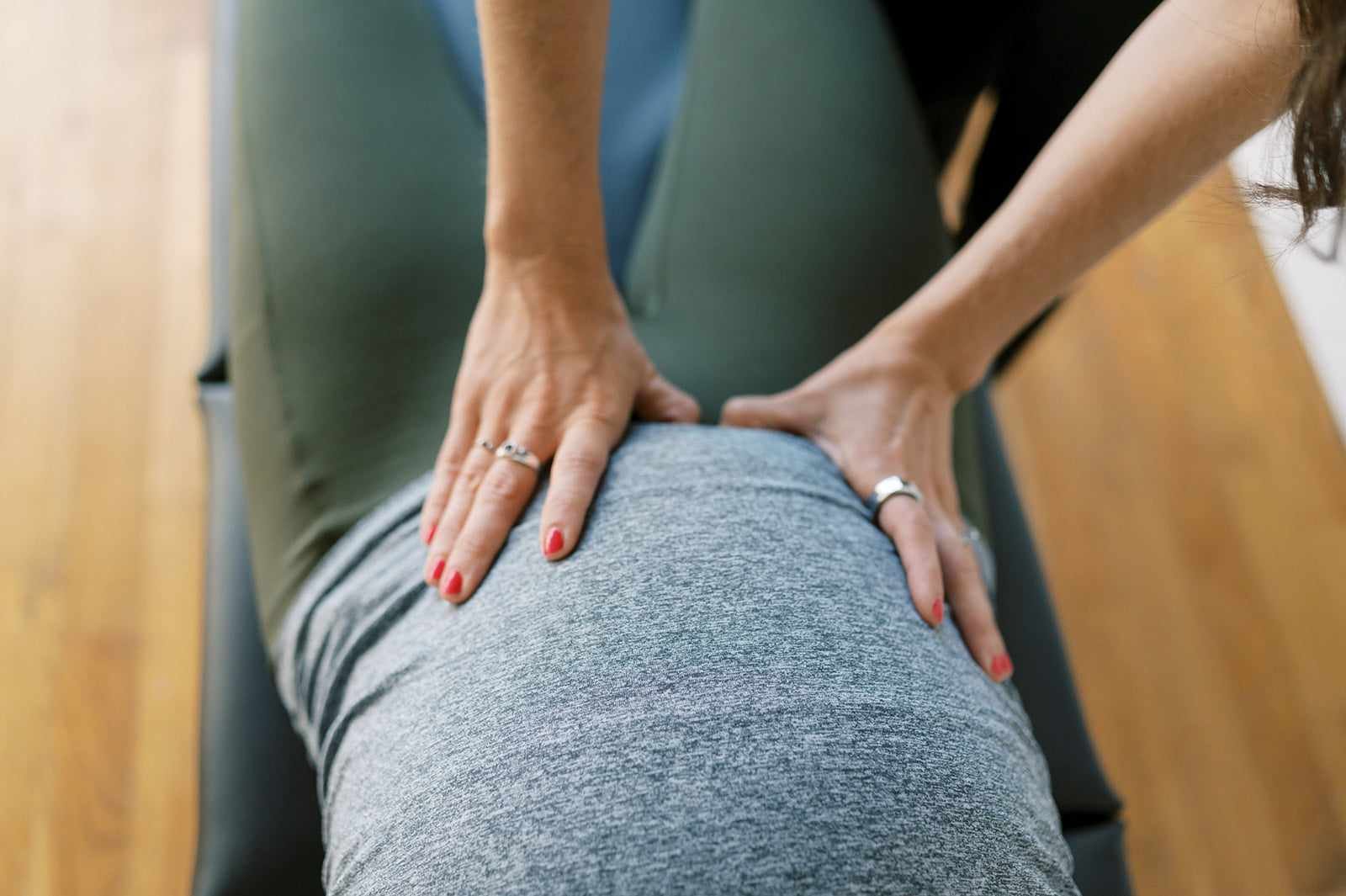
Pelvic Pain

Pelvic Pain Physical Therapy in Troy, Ohio

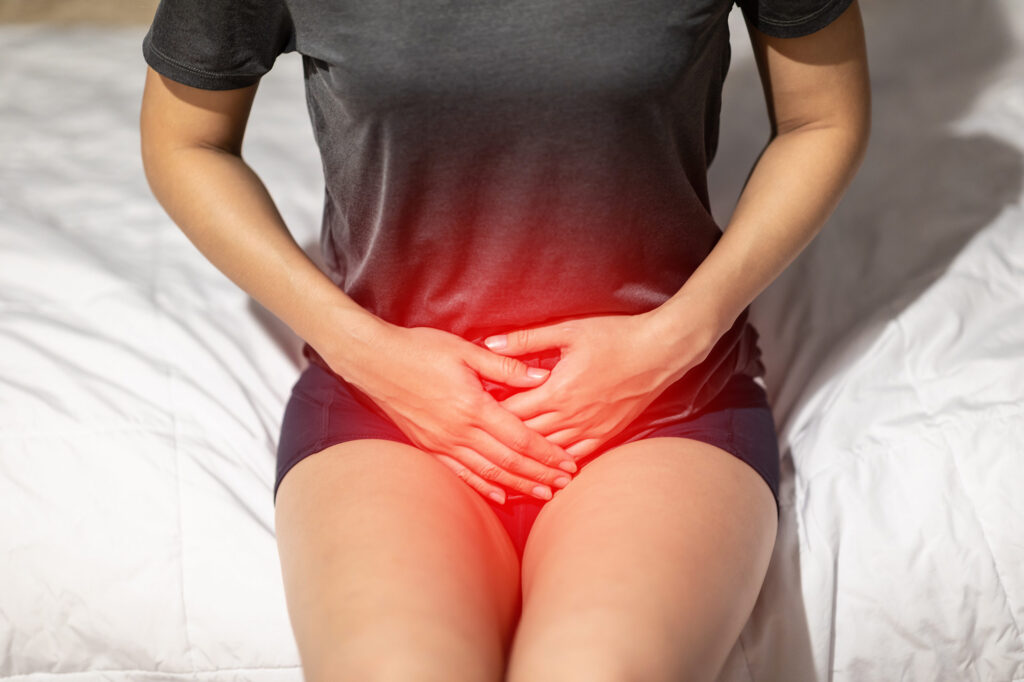
Do You Have Pain in Your Pelvic Region?

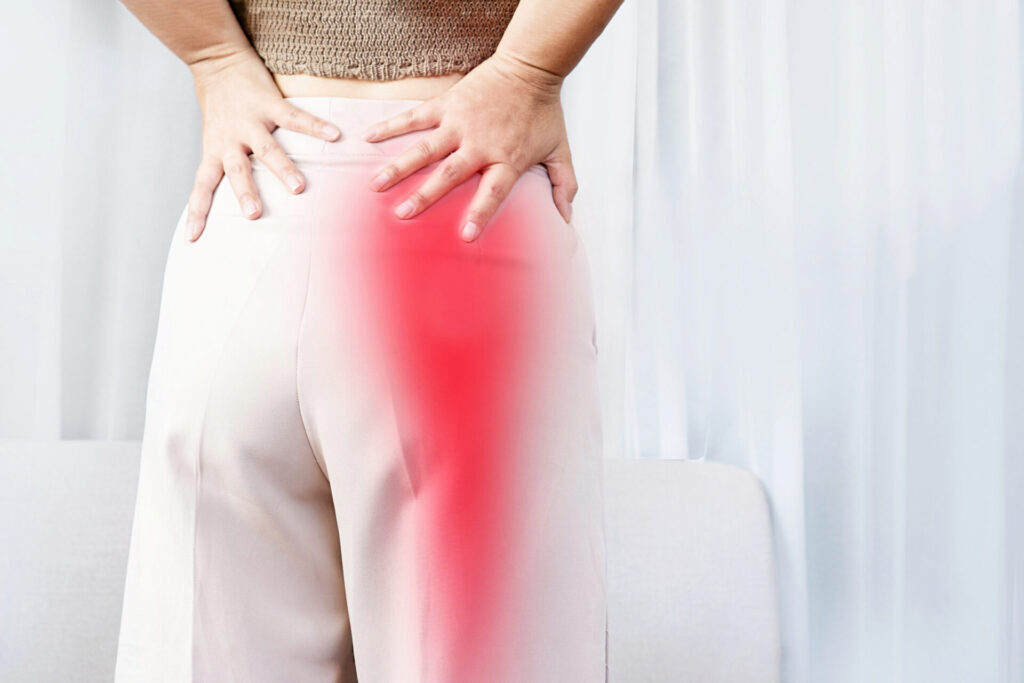
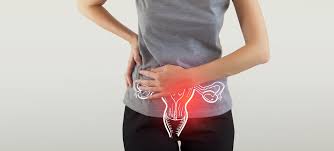
Pelvic pain can be difficult to describe and may show up in many different ways. You may experience pain in your lower abdomen, pelvis, hips, low back, tailbone, or with intercourse.

At Viya Physical Therapy, we provide individualized pelvic-floor physical therapy to help you understand the factors contributing to your symptoms and develop a treatment plan based on your needs and goals.

What Causes Pelvic Pain?

Pelvic pain can develop for many different reasons. It may begin after an injury, pregnancy or childbirth, surgery, infection, or another medical condition. It can also develop gradually as muscles, joints, nerves, and movement patterns change over time.

Because pelvic pain can have multiple contributing factors, treatment begins with an individualized evaluation. We look at how your pelvic floor, core, hips, spine, breathing, and overall movement may be contributing to your symptoms.

Pelvic Girdle Pain

Pelvic girdle pain can involve several different areas of the pelvis and may affect walking, sitting, exercise, changing positions, or everyday activities.

Pubic Symphysis Pain

The pubic symphysis is the joint where the two sides of the pelvis meet at the front of the body. Pain in this area may occur during pregnancy or postpartum, following an injury, or with certain movement patterns. Physical therapy can help identify contributing factors and address strength, mobility, coordination, and movement strategies.
SI Joint Dysfunction

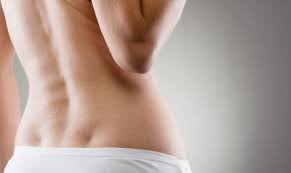
The sacroiliac (SI) joints connect the pelvis to the lower spine. Irritation or changes in how the area moves can contribute to pain around the low back, pelvis, buttock, or hip. Treatment may include individualized movement strategies, manual therapy, strengthening, and exercises designed around your symptoms and goals.
Tailbone Pain

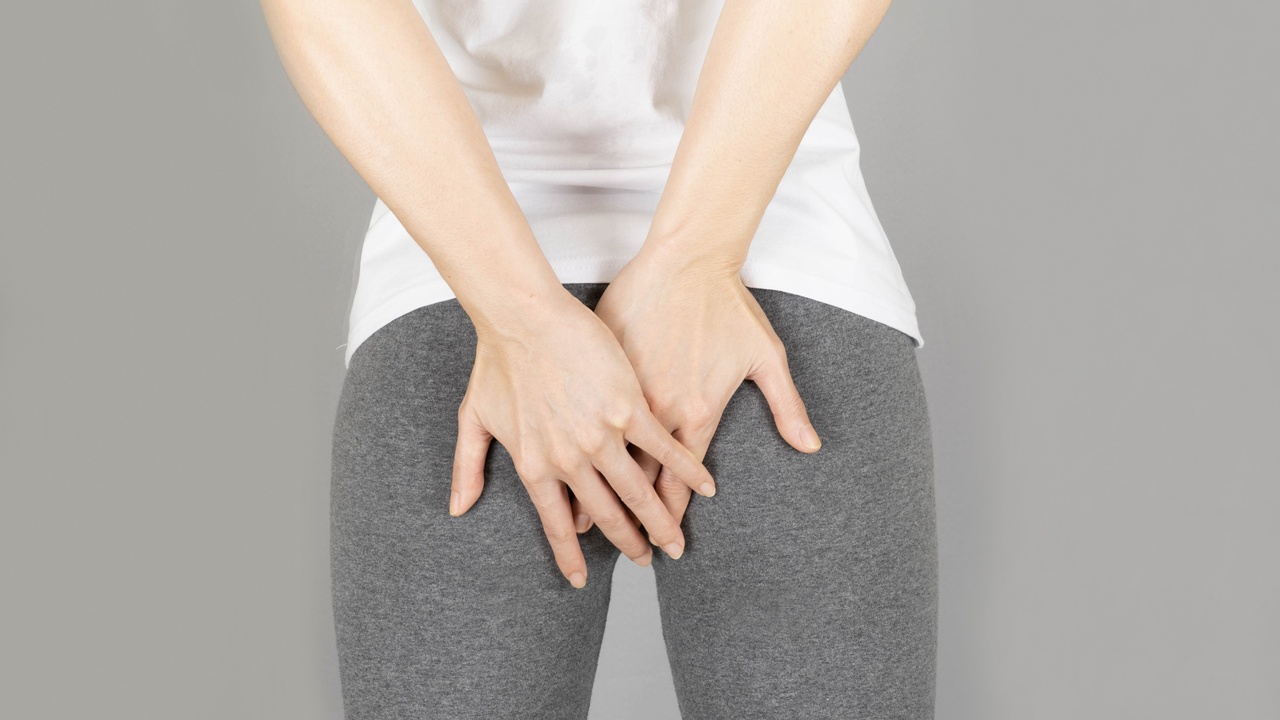
Tailbone pain, also called coccydynia, can make sitting particularly uncomfortable. It may develop following a fall or other injury, after childbirth, or without a clearly identifiable cause. Your evaluation can help identify factors that may be contributing to your symptoms and determine an appropriate treatment approach.
Muscle & Soft Tissue Pain

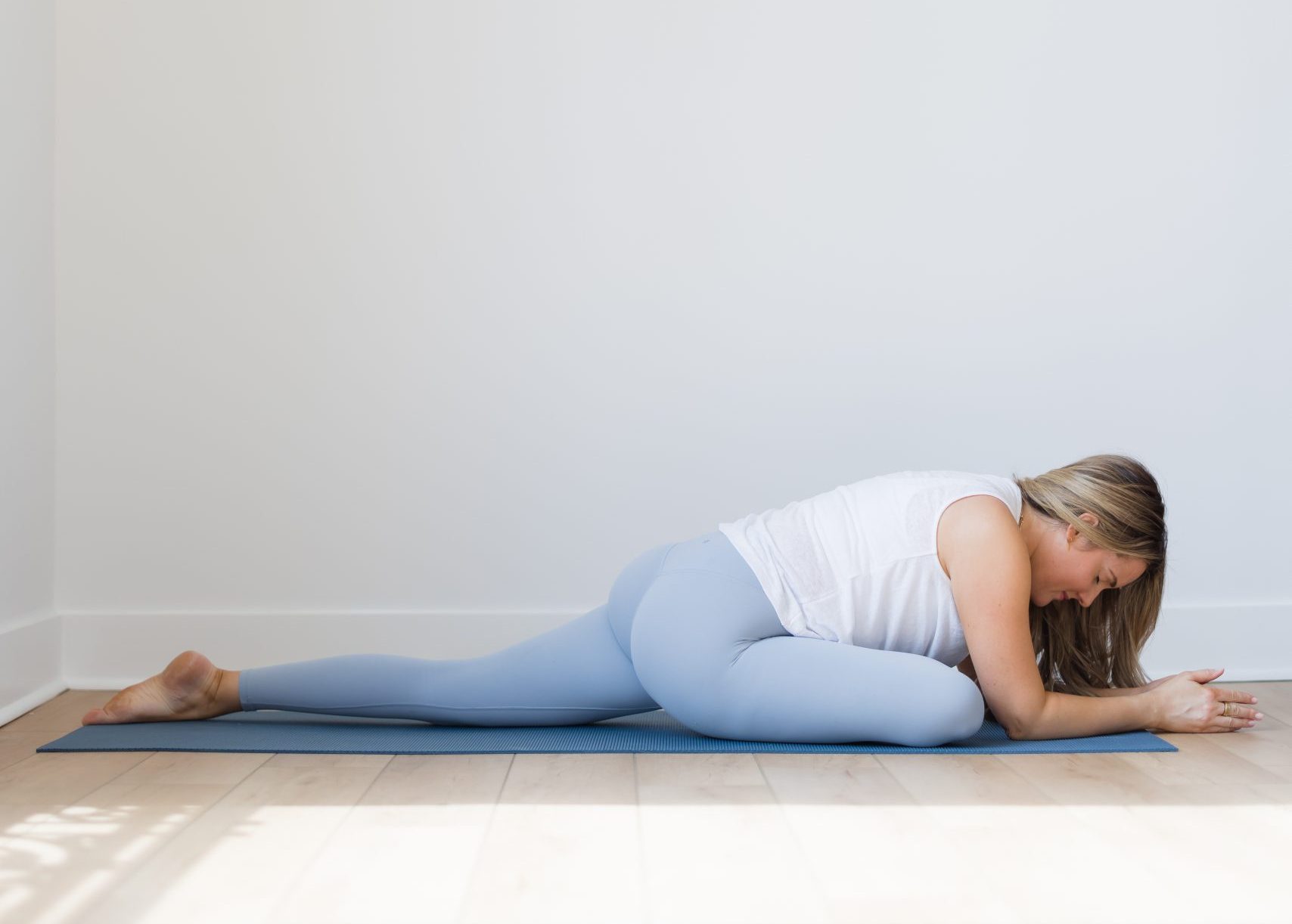
Muscles around the pelvis, hips, abdomen, and low back work together to support movement and stability. Changes in strength, flexibility, coordination, or muscle tension may contribute to pelvic and surrounding pain.

Piriformis

Pain in the buttock or deep hip area can sometimes involve the muscles surrounding the hip and pelvis, including the piriformis. Your symptoms may be influenced by muscle tension, movement patterns, hip or pelvic mechanics, or other factors. An individualized evaluation can help determine what may be contributing to your pain.

Hips\Buttock

Pain around the hips and buttocks can affect walking, exercise, sitting, or everyday movement. Because the hip, pelvis, low back, and pelvic floor work together, these areas may need to be considered as part of your evaluation. Treatment may include manual therapy, mobility work, strengthening, movement retraining, and strategies to help you return to the activities that matter to you.

Pain With Sex & Vaginismus

Pain with intercourse can be frustrating, uncomfortable, and difficult to talk about. Vaginismus is one condition that may contribute to difficulty with penetration or pain with attempted penetration.

Relief From Painful Sex

Treatment is individualized and may include education, breathing and relaxation strategies, movement, manual therapy, pelvic-floor muscle coordination, and gradual strategies for improving comfort with movement or penetration when appropriate.

Understand Your Condition

Pelvic-floor physical therapy can help you understand how the pelvic-floor muscles and surrounding areas may be contributing to your symptoms. Your care will be approached with respect for your comfort, boundaries, and goals.

IMG_1734

Work 1:1 With Your Physical Therapist

At Viya Physical Therapy, you'll work directly with your physical therapist throughout your plan of care. Your evaluation looks beyond the location of your pain to understand how your pelvic floor, core, hips, spine, breathing, strength, mobility, and movement may be contributing to your symptoms. The goal isn't simply to treat the area that hurts. It's to help you understand your symptoms, address contributing factors, and build strategies that support your ability to move and participate in the activities that matter to you.

Go at Your Own Pace

Viya Physical Therapy provides trauma-informed care. You can expect compassion and unwavering support at every step of your journey.Depending on your individual needs, treatment may include, pelvic-floor muscle assessment and coordination, manual therapy, breathing and relaxation strategies, mobility and flexibility exercises, strengthening and functional exercise, movement retraining, core and pelvic-floor coordination, education and strategies you can use outside of your appointments.

Pelvic Pain FAQ's

Pelvic-floor physical therapy may help when muscle tension, weakness, coordination, mobility, movement patterns, or other musculoskeletal factors are contributing to pelvic pain.

Your evaluation helps determine whether physical therapy is appropriate and what factors may be contributing to your symptoms.

Every person and condition is different. The time needed to improve depends on factors such as the cause and duration of your symptoms, your individual presentation, and how your body responds to treatment.

Your physical therapist can discuss what to expect after completing your evaluation.

Yes. The SI joints can contribute to pain around the low back, pelvis, hip, or buttock. Your physical therapist can assess the area along with the surrounding muscles and movement patterns to determine what may be contributing to your symptoms.

Tailbone pain may occur after a fall or other injury, during or after pregnancy and childbirth, from prolonged sitting, or without an obvious cause. An evaluation can help identify contributing factors and determine whether physical therapy may be appropriate.

The pubic symphysis is the joint at the front of the pelvis. Pain in this area can occur during pregnancy, postpartum, following injury, or with certain movement patterns.

Sometimes pain in the pelvis, hip, or buttock can overlap with symptoms associated with the sciatic nerve. Because several conditions can produce similar symptoms, an individualized evaluation can help determine what may be contributing to your pain.

Not Sure What's Causing Your Pain?

You don’t need to figure out exactly what’s wrong before reaching out.

If you’re experiencing pelvic, hip, abdominal, tailbone, or surrounding pain and aren’t sure whether pelvic-floor physical therapy is right for you, we can help determine the next step.

Viya Physical Therapy

Troy, Ohio

Individualized care | Private setting | One-on-one attention.