
Pregnancy & Post Partum

Pregnancy & Postpartum Physical Therapy in Troy, Ohio

Pregnancy, childbirth, and the postpartum period can bring significant changes to your body. Physical therapy can help you manage pain and physical changes, maintain strength and function, prepare for labor and delivery, and support your recovery after childbirth.

At Viya Physical Therapy, you’ll work 1:1 with your physical therapist to develop an individualized plan based on your symptoms, goals, stage of pregnancy or postpartum recovery, and activity level.

Pregnancy Physical Therapy

Your body changes throughout pregnancy as your baby grows and your posture, balance, joints, muscles, and pelvic floor adapt.

Working with a physical therapist during pregnancy can help you stay active safely, manage common aches and pains, maintain strength and mobility, and prepare your body for the physical demands of labor and caring for a newborn.

You don’t have to wait until you’re experiencing significant pain to benefit from physical therapy. Care can begin during any stage of pregnancy and can be adapted as your body changes.

Stay Strong & Active

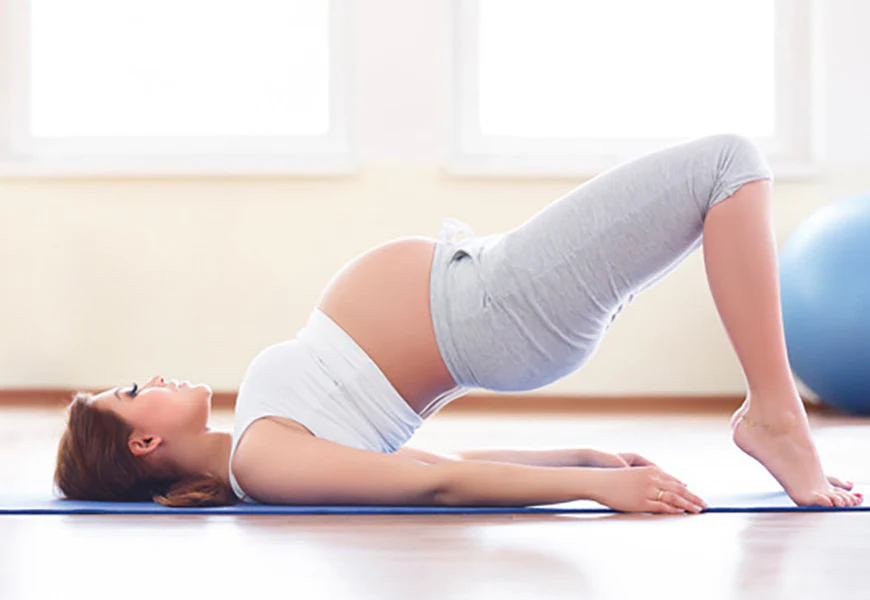
As pregnancy progresses, changes in your spine, pelvis, center of gravity, and muscle function can affect how you move and exercise. Your physical therapist can help you: Modify exercise as your pregnancy progresses, Maintain strength and mobility, Manage back, hip, pelvic, rib, or other musculoskeletal pain, Improve pelvic-floor and core coordination, Develop strategies for everyday activities, Continue participating in the activities that are important to you.
Prepare for Labor & Delivery

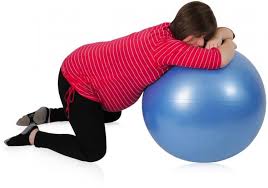
As your due date approaches, physical therapy can help you prepare for the physical demands of labor and delivery. Depending on your individual needs and goals, this may include: Pelvic-floor muscle awareness and coordination, Breathing and relaxation strategies, Positions and movement strategies for labor, Preparation for pushing, Perineal massage when appropriate, Mobility and strengthening exercises, Education about positioning and movement during labor. Your preparation will be individualized to you and your birth goals.
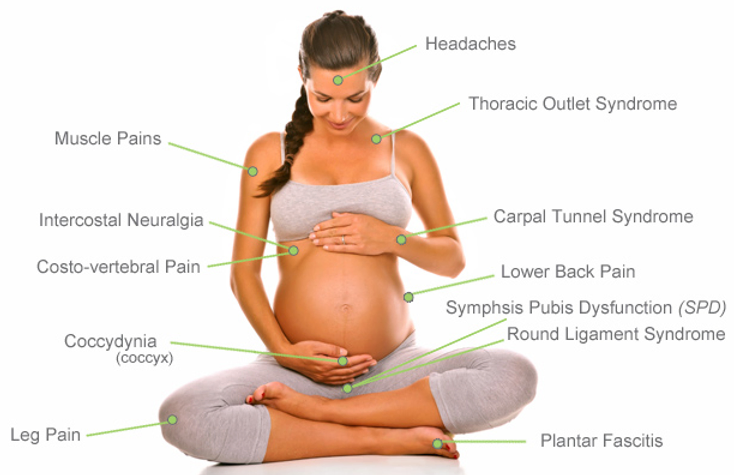
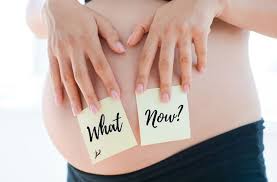
Pregnancy puts an extreme amount of stress on your body. VIYA Physical Therapy can help you manage aches and pains associated with pregnancy.

Postpartum Physical Therapy

Your body continues to change after childbirth. Whether you delivered vaginally or by C-section, recovery involves more than simply waiting for tissues to heal. You may be experiencing bladder leakage, pelvic pressure, abdominal changes, pelvic pain, pain with sex, scar sensitivity, back pain, or difficulty returning to exercise. Postpartum physical therapy can help you understand these changes and develop a plan for rebuilding strength, coordination, mobility, and confidence.
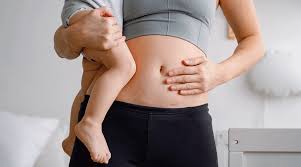
Feel Like Yourself Again

Postpartum recovery doesn't have to mean accepting pain, weakness, or leaking as your new normal. Whether your goal is to return to exercise, feel comfortable during sex, get back to work, care for your baby more comfortably, or simply feel stronger in your body again, physical therapy can help you work toward those goals.
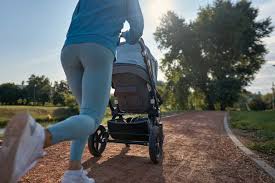
Get Back to Activities You Love

Whether you want to get back to exercise, sex, or work, let Viya Physical Therapy help you do it with total confidence.

Every postpartum body deserves expert care. VIYA can help restore strength and balance to feel your best

What Can Postpartum Physical Therapy Help With?

Postpartum physical therapy may help with :

  • Bladder or bowel leakage

  • Pelvic pressure or heaviness

  • Pelvic pain

  • Pain with sex

  • Diastasis recti and abdominal wall changes

  • C-section scar sensitivity or mobility

  • Perineal pain or discomfort

  • Mastitis/clogged milk duct

  • Low back or hip pain
  • Difficulty returning to exercise

  • Core and pelvic-floor weakness or coordination

  • Changes in bowel or bladder function

  • Breastfeeding-related musculoskeletal pain

  • Body mechanics for lifting and carrying your baby

Work 1:1 With Your Physical Therapist

At Viya Physical Therapy, your care is individualized to your body, symptoms, and goals.

Your evaluation may include assessment of your pelvic floor, core, hips, spine, breathing, strength, mobility, movement patterns, and areas of pain or discomfort.

Treatment may include:

  • Pelvic-floor muscle assessment and coordination

  • Manual therapy

  • Scar tissue mobility techniques

  • Breathing and relaxation strategies

  • Core and pelvic-floor exercises

  • Strengthening and functional exercise

  • Mobility work

  • Movement retraining

  • Exercise progression for returning to activity

  • Education and strategies for everyday childcare tasks

Your plan of care will depend on your individual needs. Some people may benefit from a few visits, while others may need more support during their recovery.

Postpartum FAQs

Your healthcare provider will help determine when it is appropriate for you to begin returning to exercise. Once you are cleared, your return should generally be gradual and consider your pregnancy and birth experience, current activity level, type of exercise, goals, and how your pelvic floor and body respond to increased activity.

Physical therapy can help you develop an individualized return-to-exercise plan.

Your healthcare provider will guide you regarding when it is appropriate to resume exercise following a C-section. Recovery involves more than incision healing, so your return to activity should also consider your core and pelvic-floor function, symptoms, strength, and activity goals.

Physical therapy can help you gradually rebuild strength and confidence as you return to exercise.

Pregnancy and childbirth can change pelvic-floor muscle strength, coordination, endurance, and how the muscles respond to pressure.

A pelvic-floor physical therapist can assess your individual function and provide education, exercises, movement strategies, and other appropriate treatments to help you improve pelvic-floor function.

Pelvic pressure or heaviness can occur for several reasons during the postpartum period. Early after delivery, swelling and tissue healing may contribute to symptoms. Persistent pressure or heaviness may also be associated with pelvic-floor dysfunction or pelvic organ prolapse.

If you are experiencing ongoing pelvic pressure, a pelvic-floor physical therapy evaluation can help determine whether physical therapy may be appropriate.

Incision healing is only one part of recovery. Your overall recovery may also be affected by abdominal and pelvic-floor function, scar sensitivity, strength, mobility, sleep, activity level, and the physical demands of caring for a newborn.

Your recovery timeline is individual, and physical therapy can help address specific areas that may be limiting you.

Physical therapy can help you rebuild core and pelvic-floor strength and endurance, address scar sensitivity or mobility, improve movement strategies, and develop safer and more comfortable ways to perform childcare tasks such as lifting, carrying, feeding, and getting up and down.

C-section scar massage is a hands-on technique that may be used after the incision has appropriately healed to help address scar sensitivity, mobility, and surrounding tissue restrictions.

Your physical therapist can determine whether scar treatment is appropriate for you and when to begin.

Diastasis recti involves increased separation and stretching of the connective tissue between the abdominal muscles. It is common during and after pregnancy.

A physical therapist can assess your abdominal wall and overall movement and help you develop an individualized approach to rebuilding strength and coordination.

Some people notice a ridge, bulge, or “doming” along the center of the abdomen during certain movements. However, the appearance of your abdomen alone does not determine how well your core is functioning.

A physical therapist can evaluate your abdominal wall and movement patterns and help determine whether treatment would be beneficial.

Pregnancy FAQs

Physical therapy during pregnancy focuses on supporting your changing body. Care may include guidance, exercise, movement strategies, and treatment for musculoskeletal symptoms to help you maintain function, stay active safely, manage pain, and prepare for labor and delivery.

As pregnancy progresses, changes in your center of gravity, posture, abdominal wall, and pelvic mechanics can place different demands on the muscles and joints of your back.

An individualized evaluation can help identify factors contributing to your pain and determine strategies that may help.

Depending on your symptoms and stage of pregnancy, treatment may include manual therapy, exercise, mobility work, strengthening, and movement strategies.

Your physical therapist can also help modify everyday activities such as sleeping, sitting, driving, working, lifting, and carrying.

Pelvic pain can occur during pregnancy as the body adapts to changes in posture, joint loading, muscle function, and movement.

While some discomfort can occur during pregnancy, persistent or significant pain should not simply be something you feel you have to tolerate. A physical therapy evaluation can help determine contributing factors and whether treatment may be appropriate.

As the baby grows, the rib cage and surrounding tissues may adapt to changes in posture and available space. These changes can contribute to discomfort around the ribs and upper abdomen.

Your physical therapist can help identify contributing movement and muscular factors and develop strategies to improve comfort.

Changes in pelvic position, posture, muscle loading, and movement during pregnancy can place different demands on the hips and surrounding tissues.

Physical therapy can help address mobility, strength, movement patterns, and other factors that may be contributing to your symptoms.

Yes. Changes in posture, breast size, center of gravity, and daily activity can increase demands on the neck, shoulders, and upper back.

Physical therapy can address contributing factors through manual therapy, exercise, movement strategies, and ergonomic or positioning recommendations.

As your center of gravity changes, your upper back and neck may work differently to maintain balance and posture.

Your physical therapist can provide individualized treatment and guidance for positions and activities such as sleeping, sitting, driving, working, lifting, and carrying.

Changes in pelvic position, joint mobility, body weight, muscle tension, and pressure around the pelvis can contribute to tailbone discomfort during pregnancy.

An evaluation can help identify factors that may be contributing to your symptoms and determine whether physical therapy may help.

Pain and discomfort can be common during pregnancy, but that doesn’t mean you have to simply accept persistent or limiting pain.

Physical therapy can help identify contributing factors, provide strategies to manage symptoms, and support your ability to remain active and prepare for delivery.

Not Sure Where to Start?

You don’t need to know exactly what’s wrong before reaching out.

Whether you’re pregnant, recently delivered, or further into your postpartum recovery, we can help determine whether pelvic-floor physical therapy may be appropriate for you.

Viya Physical Therapy

Troy, Ohio

Individualized care | Private Setting | One-on-one attention